The Guest, the Blind, and the Elephant
There’s an old story about a group of blind men touching an elephant. One thinks it’s a wall. Another swears it’s a rope. Someone else is convinced it’s a snake. Each of them is certain they’re right because each of them is only touching one part.
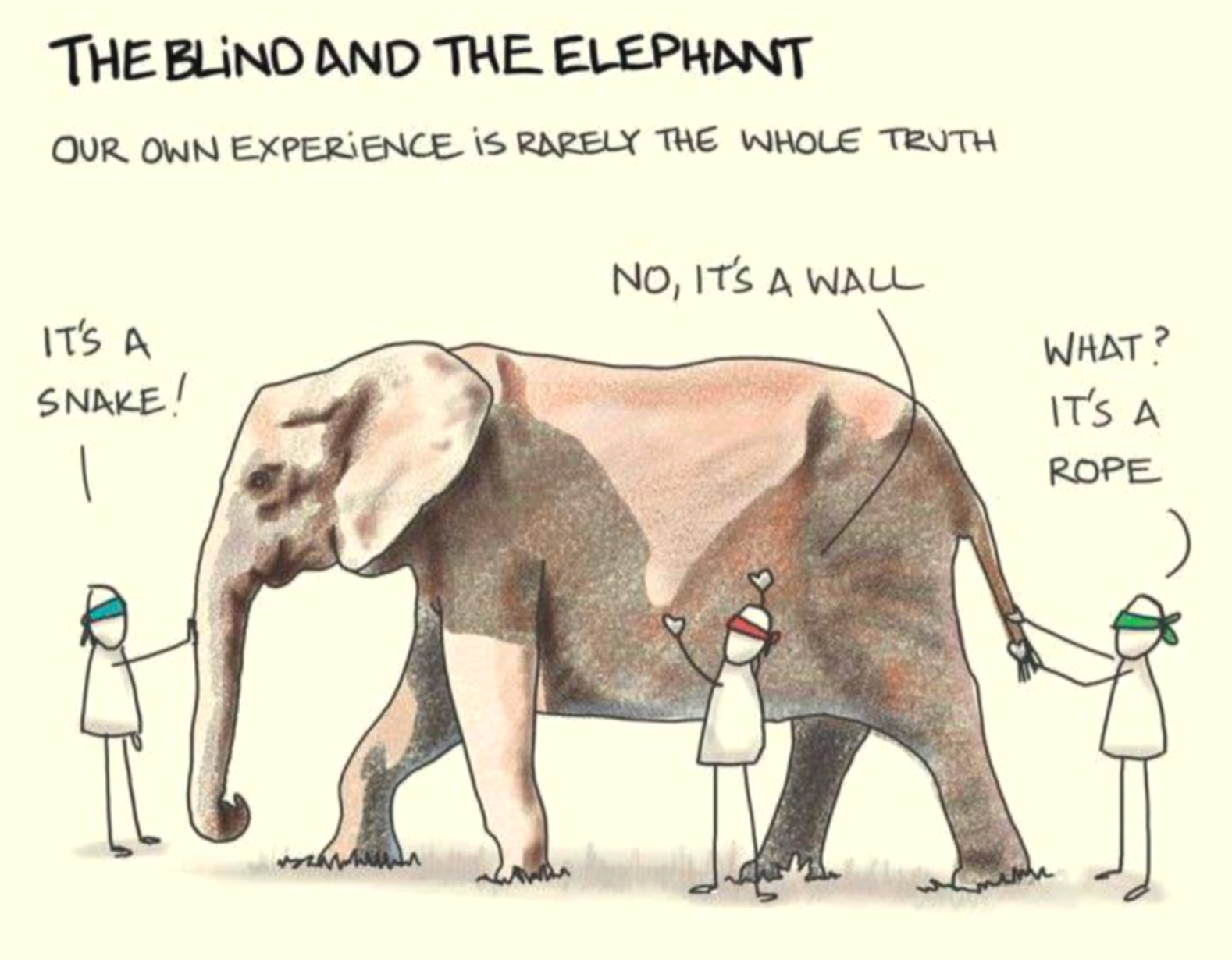
I thought about that story after a guest interaction that could have gone sideways fast. Most guest conflicts don’t start with bad intentions. They start with incomplete information, strong feelings, and people standing firmly in their own version of the truth. There are moments at the front desk when everyone is holding a piece of the truth—and no one can see the whole picture yet.
That’s hospitality, most days.
Yesterday, a guest couple arrived already at the edge. The wife was furious. Not frustrated. Furious. She threatened to call the police, saying we were doing “hocus pocus.” She believed she booked directly with us. Our system clearly showed a third-party reservation through Expedia. She was upset about being charged in U.S. dollars and hit with conversion fees.
Facts were clear. Emotions were louder.
Instead of escalating it at the desk, I invited them into my office. Sat them down. Took a breath. A quick spray of Cardle & Co. room spray just to reset the space. Leadership starts with environment, not arguments.
She talked. A lot. The husband stayed calm. Grounded. He acted as the equalizer.
At that moment, I knew policy alone wouldn’t land. So I didn’t lead with policy. I led with perspective.
I offered a simple analogy. I asked her kindly to imagine ordering the perfect steak from her favourite restaurant. Hot. Juicy. Exactly right. But instead of dining in, it arrives through Skip the Dishes. Cold. Not the same. Disappointing.
“Who would you be upset with?” I asked gently. “The restaurant—or the delivery service?”
That pause mattered.
Then I was clear. I couldn’t adjust the rate. Prepaid bookings limit flexibility. But I could offer a path forward. Cancel with the third party. Rebook directly with us. No penalties. A better experience going forward.
I asked one grounded question with care, “Do you really want to spend the next few hours on hold—or do you want to start enjoying your holiday now?”
I painted a picture of the future, not the mistake. I handed her my card. Told her next time to call or email me directly. I’d take care of the rate, add Wyndham Rewards points, and make sure the stay felt easy. No construction. Just rest.
That’s when the husband spoke. “There are a lot of could’ves and would’ves,” he said. “No point now. We love your property and we will be back. Thank you for walking us through the process and giving us clarity.”
He didn’t just understand the booking. He understood the grace.
Front Desk Playbook Takeaways
This is what strong front desk leadership looks like in real moments.
Start with calm. Calm sets the tone before a single word lands.
Listen before you explain. People need to feel heard before they can hear anything else.
Use perspective, not pressure. Stories soften defensiveness in ways policy never will.
Be clear about what you can’t do—and decisive about what you can. Clarity builds trust.
Always offer a forward path. You can’t change what already happened, but you can shape what comes next.
Every guest holds one part of the elephant. So do we.
Our role isn’t to win the argument. It’s to help everyone see a little more clearly and leave feeling respected.
That’s front desk leadership. Quiet. Confident. Human.
And sometimes, a really good room spray from Cardle & Co. helps too.
Take what resonates.
Leave what doesn’t.
And come back whenever you need a pause.